Salt air on your morning walk, quiet streets in January, and a steady summer buzz when the island fills up. If you are weighing a second home or a future retirement spot in Topsail Beach, you want the honest picture of day‑to‑day life and the practical realities that come with coastal living. In this guide, you will learn what it feels like to own here, the costs and rules to plan for, and smart steps to evaluate any property with confidence. Let’s dive in.
Lifestyle rhythm on the island
Topsail Beach offers a small‑town, low‑rise feel with a focus on the outdoors. You can spend your days beachcombing, paddling the sound, fishing from shore or pier, and watching wildlife, including seasonal shorebirds and sea turtles. It is relaxed and family‑oriented without heavy nightlife.
Expect clear seasonal swings. The island gets busy from late spring to summer, roughly Memorial Day through Labor Day. Fall, winter, and early spring are calmer, which many owners love for quiet sunsets and easy errands.
Housing types and fit
Beachfront cottages and homes
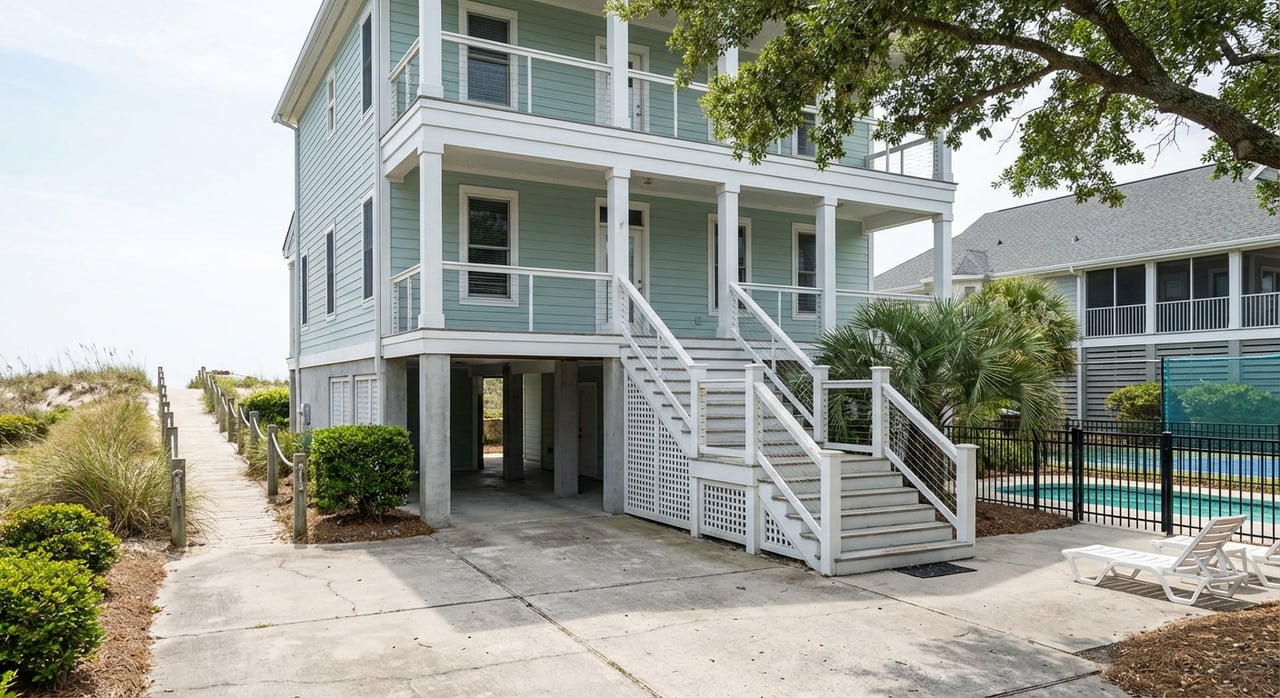
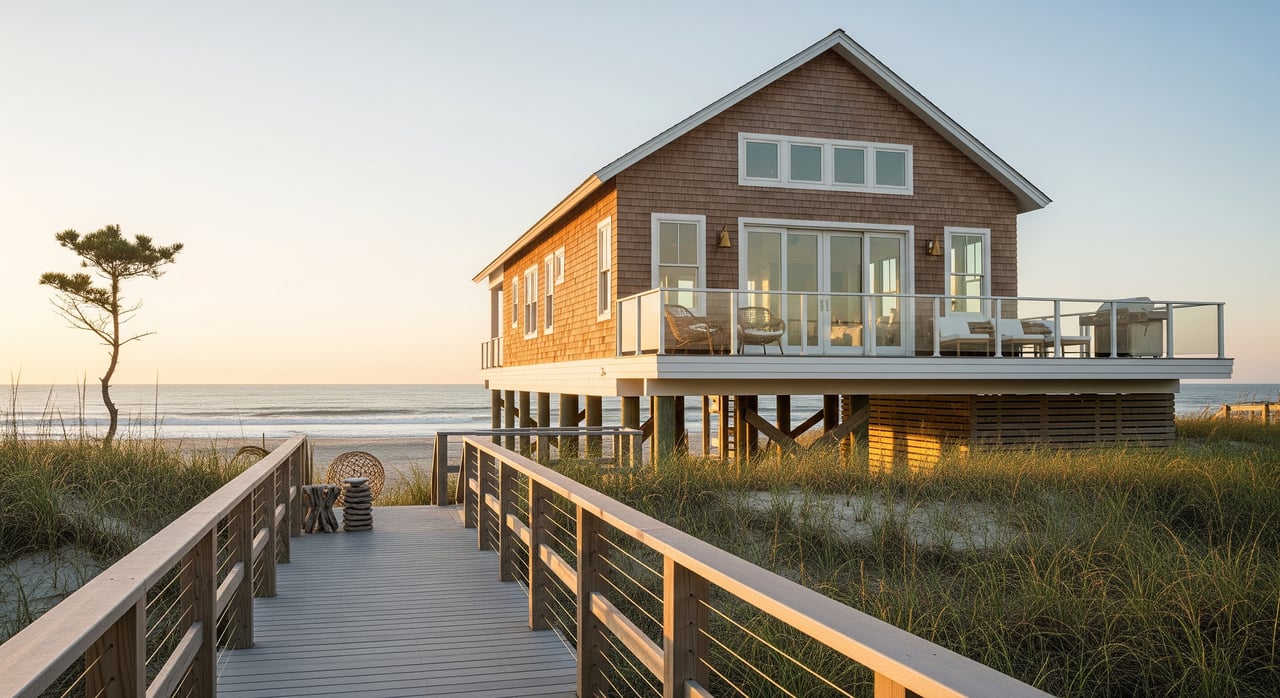
Many oceanfront homes are elevated on pilings to meet flood and wind requirements. You get stunning views and immediate beach access, along with greater exposure to wind, salt spray, and dune management rules. When you evaluate a property, look closely at elevation, foundation condition, and recent coastal‑grade upgrades.
Condos and stacked duplexes
Condos cluster in certain stretches and come with shared maintenance. HOA documents set pet policies, rental rules, budgets, reserves, and insurance requirements. Read the bylaws and recent meeting notes to understand any assessments, rental restrictions, or maintenance plans.
Sound‑side and inland options
Homes away from the ocean can offer easier mainland access and potentially lower ongoing coastal wear. Some duplexes and non‑waterfront single‑family homes reduce salt exposure while keeping you close to beach access points and marinas.
Quick property checklist
- Orientation: oceanfront, sound‑side, or inland for trade‑offs in views, wind, and erosion exposure.
- Foundation and elevation: pilings, raised slab, or crawlspace, plus condition and upgrades.
- Access: deeded beach path, public access nearby, and any shared maintenance for paths.
- HOA or condo docs: rules, reserves, assessments, and rental policies.
- Utilities: municipal water/sewer or well/septic, plus internet and cellular options.
Access: beach, boating, basics
Beach access and dunes
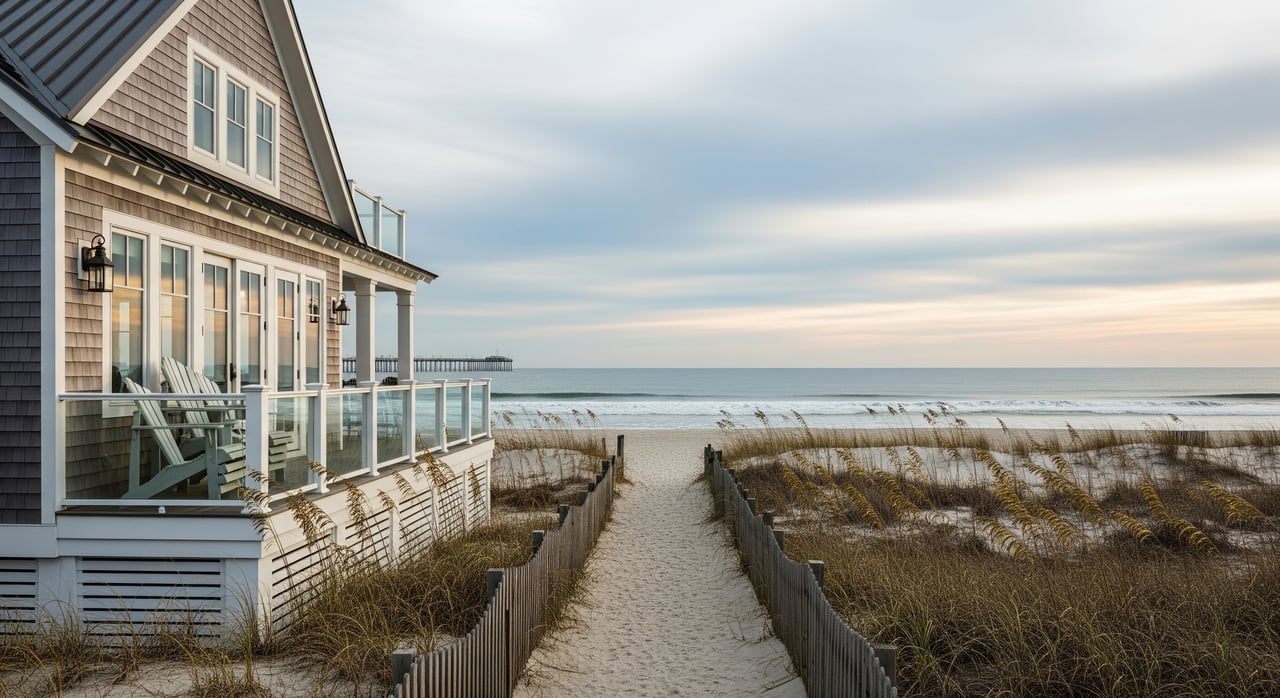
Some lots have deeded beach paths or private easements. The town also maintains public access points. Confirm whether access is private or public for the property and whether you share upkeep for walkovers. Dune vegetation, sand fencing, and nourishment programs can affect beach width and access.
Boating and fishing
You will find sound‑side ramps and marinas on and near the island. Smaller craft launch easily close to home, while larger vessels often berth at nearby mainland marinas. Fishing options include surf casting, pier fishing, inshore trips, and offshore charters from regional operators.
Day‑to‑day services
You can pick up groceries, dine out, and use local shops on the island, though options vary by season. For big‑box stores, specialist medical care, and airports, plan on mainland trips. It is smart to map out your preferred routes for regular appointments and errands.
Money and rules to plan for
Insurance and lending
Coastal homes typically require two coverage pillars: wind and hurricane protection and flood insurance if the home is in a FEMA flood zone. Lenders often set higher down payment expectations and will underwrite based on verified wind and flood coverage. Get pre‑approval that accounts for coastal insurance availability and cost, and ask about any state or federal mitigation programs that may apply.
Permitting and rentals
Elevated construction, wind‑rated features, and local building codes guide renovations or new builds. If you plan to rent short‑term, confirm town and county rules for registration and occupancy tax collection. Rules can change, so verify current requirements and timelines before you buy.
Coastal maintenance reality
Salt air and humidity speed up wear on metal fixtures, fasteners, decks, rails, paint, roofs, and HVAC units. Elevated homes also need periodic checks of pilings and connections. Plan for routine pest control, moisture management, and coastal‑tough landscaping that respects dune protections and native species.
Sample annual maintenance plan
- Biannual exterior wash and inspection for paint, sealants, and corrosion.
- Annual HVAC service and filter schedule suited to humid, salty air.
- Deck and railing checks, with fastener and board replacements as needed.
- Termite and pest inspections, plus moisture control in crawlspaces.
- Pilings and connections inspection, especially after major storms.
- Reserve fund for storm repairs and higher‑frequency replacements.
Rental potential and management
Peak rental demand runs from spring into summer, with shoulder‑season bookings tied to holidays and fishing or boating seasons. Income varies by location, property condition, and amenities, and areas with heavy supply can see softer occupancy outside peak weeks. If you plan to rent, read HOA rules closely and budget for management fees, cleanings, linens, and guest support.
Local managers can handle marketing, guest relations, turnovers, and maintenance. Remote owners should line up reliable vendors for emergencies ahead of time.
Risk, resilience, and long‑term view
Topsail Beach faces Atlantic hurricanes and nor’easters, with storm surge and beach erosion risks. Communities may complete beach nourishment and dune restoration periodically. Review flood maps and local hazard information when you compare properties, and factor in elevation and building features.
Mitigation upgrades help protect your home and may influence insurance pricing. Examples include wind‑rated windows and doors, flood vents, breakaway walls where appropriate, elevated utilities, storm shutters, and standby generators.
Emergency planning basics
Know your evacuation zone, routes, and timelines before hurricane season. Keep a go‑kit, document storage, and a plan for securing outdoor items, shutters, and vehicles. If you will be away part‑time, consider house‑watch services for storm checks.
Daily life practicalities
Utilities can be municipal water and sewer in some areas or septic in others. Septic systems on small or narrow lots can limit future expansions. Internet speeds and reliability vary by provider and location, so verify service if you work remotely. Owning a car is useful, and parking can be tight near popular beach spots on busy days.
Island businesses and community groups create a friendly, low‑key social scene. Many owners enjoy seasonal events, volunteer opportunities, and a quieter pace compared with larger resort towns.
Evaluate a Topsail Beach home in 7 steps
- Check flood exposure: review FEMA flood zone for the lot and obtain the elevation certificate.
- Price insurance: get quotes for wind and flood from a coastal‑savvy insurance broker.
- Confirm access: verify deeded beach path or nearest public access and any shared obligations.
- Inspect structure: focus on pilings, connections, roof, decks, and coastal‑grade materials.
- Read HOA/condo docs: rental rules, budgets, reserves, assessments, and insurance requirements.
- Verify utilities and connectivity: water/sewer or septic details, internet options, and cell coverage.
- Map rentals and taxes: understand local short‑term rental rules and occupancy tax collection if you plan to rent.
Work with a local advocate
Owning on Topsail Beach is about more than a view. It is about fit, protection, and a plan that makes island life smooth through every season. If you want a responsive guide who lives and works this corridor, connects you with trusted insurers and managers, and negotiates hard for your goals, reach out to Gwen Hydzik. Let’s match you with the right street, the right home, and a clear plan for ownership.
FAQs
Flood insurance costs for Topsail Beach homes
- Costs vary by elevation, flood zone, and coverage choices. Check FEMA flood maps, review the elevation certificate, and get quotes from a coastal‑experienced insurance broker.
Short‑term rental rules in Topsail Beach and Pender County
- Confirm current town ordinances, county tax requirements for occupancy tax collection, and any HOA or condo restrictions before you buy or advertise rentals.
Beach access rights when you buy a home
- Review the deed for any private access easements, confirm nearby public access points, and note any shared maintenance obligations for paths or walkovers.
Condo fees and coverage in Topsail Beach
- Read the HOA budget, reserves, insurance requirements, rental rules, and recent meeting minutes to understand monthly dues, special assessments, and what maintenance is covered.
Storm preparation for Topsail Beach homeowners
- Know your evacuation zone and plan, secure shutters and outdoor items before storms, elevate utilities where possible, and consider a generator and house‑watch service if you are away seasonally.