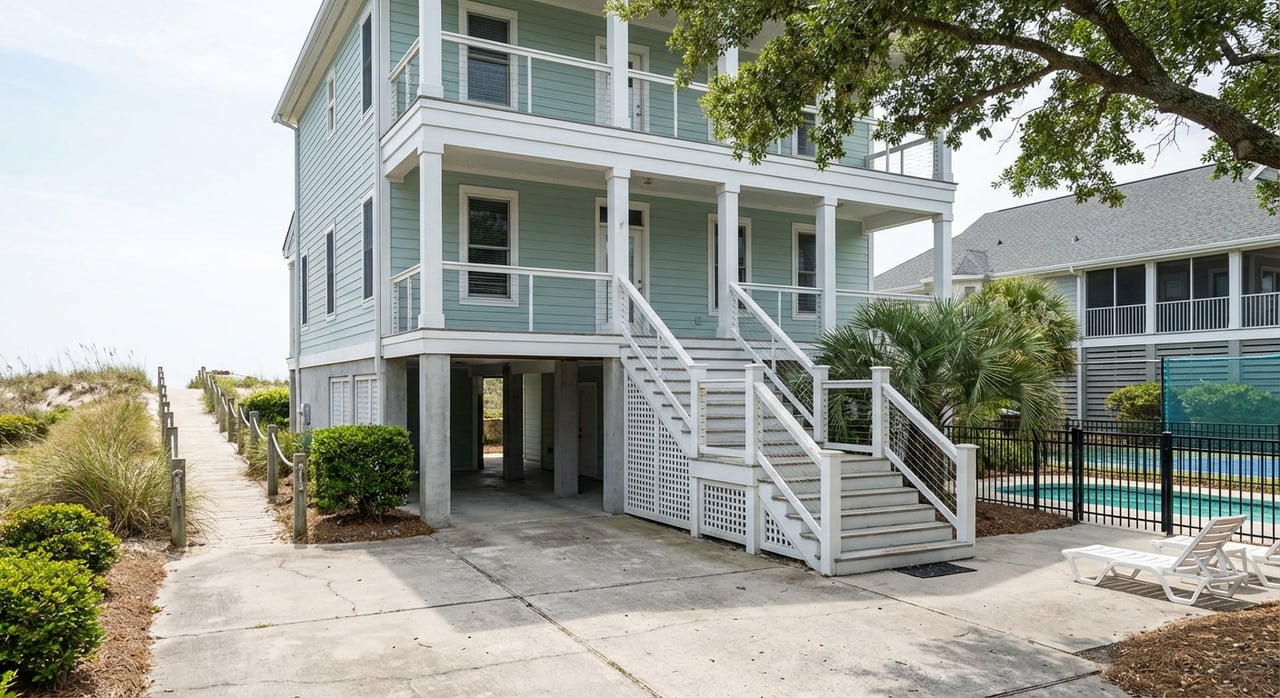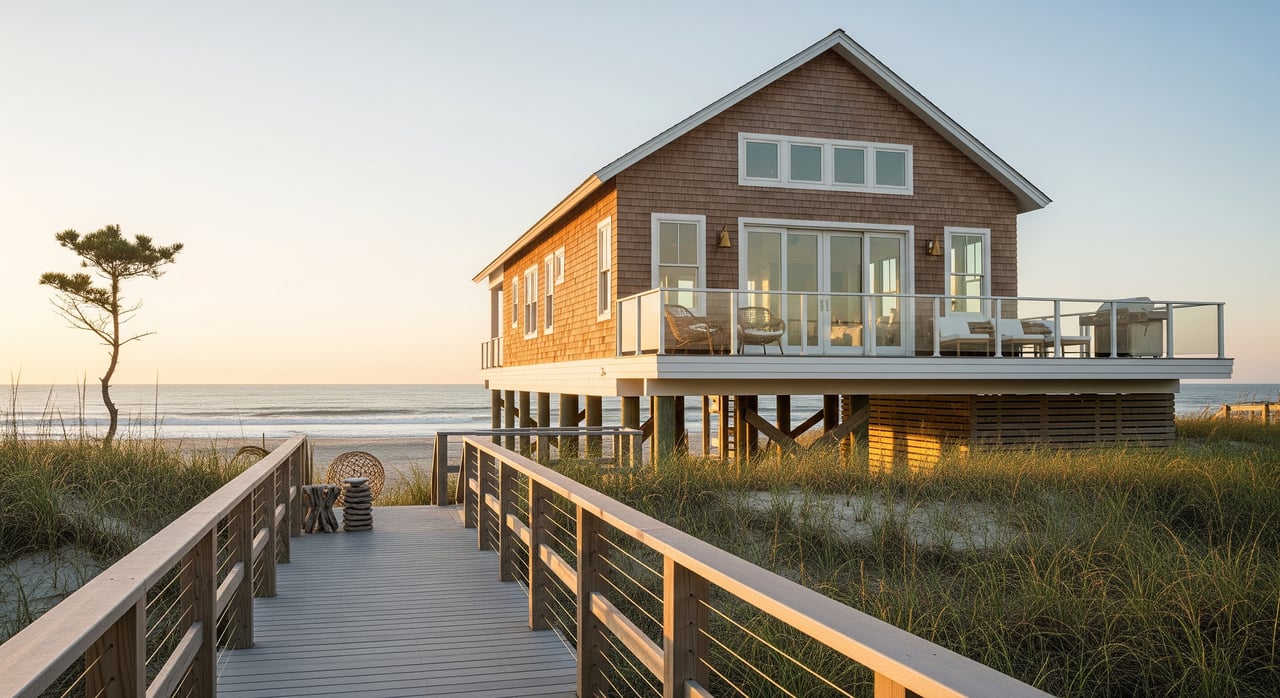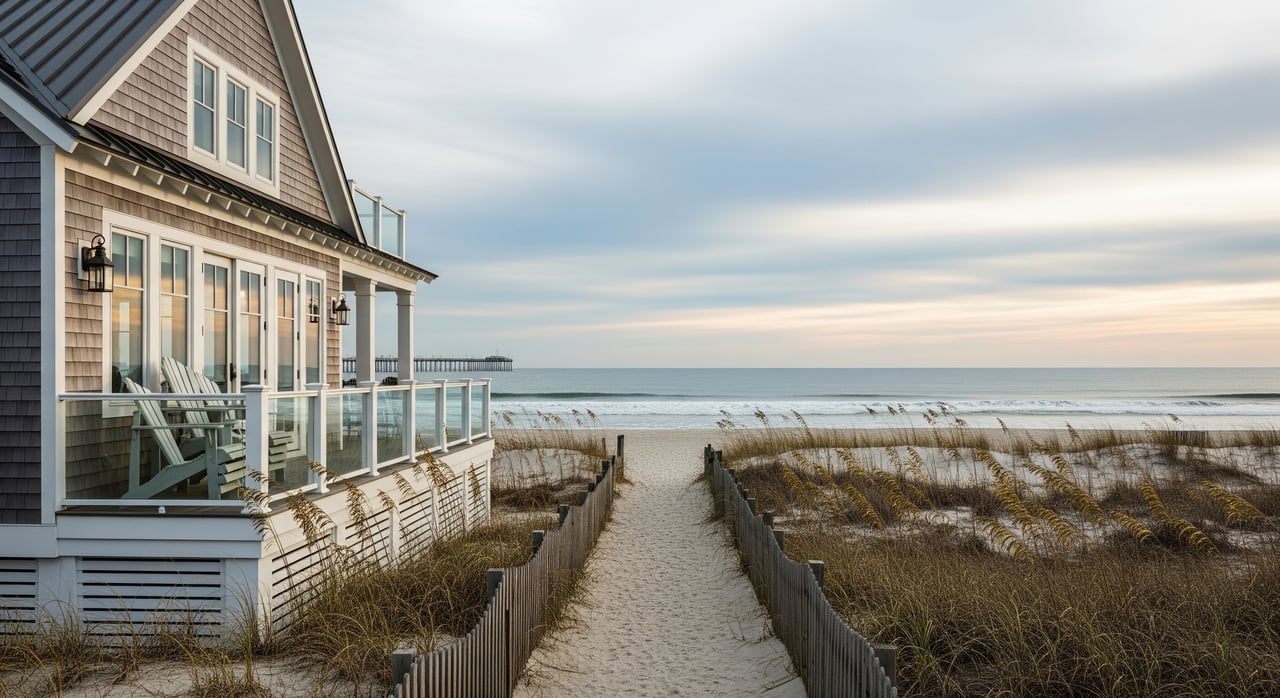
Picture this: the same wide beaches and soundside sunsets, but without the long lines or packed parking lots. If you are considering Surf City for a full-time move, a second home, or a short-term rental, you may wonder what life really looks like once summer ends. You want a clear, practical view of daily routines, costs, weather, and community rhythm. This guide gives you exactly that, so you can decide if off-season living on Topsail Island fits your lifestyle and goals. Let’s dive in.
The off-season rhythm
Off-season in Surf City runs roughly late fall through early spring. Life slows down in a good way. Quieter streets and lighter traffic make errands simple and beach walks peaceful.
Many tourist-focused shops and eateries reduce hours or close for winter. You will still find year-round essentials like a grocery store, pharmacies, banks, hardware, and several restaurants open. The social scene shifts to a more local feel with community events and neighborly routines.
If you plan to rent your home, expect short-term rental demand to drop outside summer. Many owners rely on peak-season revenue to carry annual costs, then budget for lighter bookings during winter.
Daily essentials and services
Core services operate year-round. You can access groceries, banking, hardware, and maintenance providers even in January. Real estate and property management firms remain active to support second-home owners and rentals.
Tourist-forward businesses like beachwear shops and some seasonal restaurants commonly scale back between mid-fall and early spring. If you love a particular spot, check hours before heading out.
Healthcare access
For routine care, you will find clinics and urgent care options on or near the island. For hospital and specialty services, residents typically travel to the Wilmington area, which serves as the regional medical hub. Local first responders, police, and EMS operate year-round.
Utilities, trash, and internet
Water and sewer are town-managed in many areas, while some edge or unincorporated properties use private well and septic. Confirm the setup for any specific home you are considering.
Trash and recycling collection continue year-round, with holiday schedule changes possible. Broadband availability varies by neighborhood and provider. Many residents work remotely, but you should verify speed, reliability, and backup options for storm-related outages.
Schools and childcare
Public schooling is provided by Pender County Schools with a typical fall-to-spring calendar. Daycare and after-school options exist, though choices can be more limited than in larger metros. Families often weigh commute and availability when selecting a neighborhood.
Commuting and access
Topsail Island is bridge-accessed. These bridges are the primary entry and exit points and can be bottlenecks during peak tourism or maintenance closures. Off-season commutes are usually faster.
Public transit is limited, so most residents rely on private vehicles. Many year-round residents commute to jobs on the mainland or in the Wilmington area.
Weather, storms, and preparedness
Surf City has a humid subtropical climate with mild winters. From November through March, daytime highs are commonly in the 50s and 60s, with cooler nights. Spring and fall often bring comfortable shoulder-season weather that locals love.
Hurricane season runs from June 1 to November 30, with peak risk in August and September. Nor’easters and winter storms can also impact the coast. Flooding, storm surge, and high winds are the primary hazards, and risk varies by parcel elevation and proximity to water.
Flood and wind insurance can be significant for coastal properties. Ask for local quotes early, review FEMA flood maps for the exact property, and confirm wind-storm deductibles and insurer availability. Salt air accelerates wear on decking, HVAC units, roofing, and exterior paint, so plan for more frequent maintenance.
Town and county agencies support preparedness through projects like dune work and tree trimming. As a homeowner, you still need a plan for shutters, securing outdoor items, and backup power. Year-round residents are encouraged to register for local emergency alerts and know evacuation zones and routes.
Recreation and community in winter
Off-season shines for outdoor time. Walk the beach, surf fish, kayak the sound, or catch a clean swell. Many locals prefer fall and spring for lighter crowds and easy access.
You will see seasonal wildlife patterns. Sea turtle nesting typically occurs in spring through summer, while off-season beach rules tend to be less restrictive. Bird migration in spring and fall draws nature lovers to the shoreline and marshes.
Community life leans local with youth sports, school-year programs, holiday events, and winter markets. Expect fewer tourist events and more neighbor-led gatherings.
Short-term rental expectations
If you are buying with rental income in mind, plan for strong summer demand and quieter winter months. Many owners capture a large share of annual revenue during late spring and summer, then experience longer vacancy periods off-season.
Property management firms remain active year-round, which helps with maintenance, cleanings, and off-season bookings. Some tradespeople focus on winter projects, so lead times for repairs or renovations can vary.
Plan your off-season visit
Before you buy, test-drive the lifestyle when it is quiet. Use this checklist:
- Visit weekdays and weekends to compare traffic, parking, and restaurant hours.
- Return in shoulder season and mid-winter to understand different rhythms.
- Walk the neighborhood at night to gauge lighting, noise, and wind exposure.
- Ask neighbors and property managers about winter routines and any known issues.
- Verify internet speed and cellular reliability inside the home.
- Confirm water and sewer setup, or well and septic location and service history.
- Assess elevation, drainage, and recent storm or flood history for the lot.
- Gather quotes for homeowners, wind, and flood insurance before you make an offer.
Key questions to ask
- Which restaurants, shops, and services operate year-round nearby?
- What are typical utility costs, including seasonal power usage?
- How reliable is broadband and cellular service at this address in storms?
- Is the property on municipal water and sewer, or private systems? When was septic last serviced?
- Has the property had storm damage or repeated insurance claims?
- Are there any HOA rules or seasonal regulations that affect access or rentals?
Tradeoffs to weigh
Off-season living gives you quiet, small-town coastal life with easy beach access. The tradeoff is fewer entertainment options and reduced hours for some businesses. You will enjoy lighter traffic and peaceful walks, but still carry year-round costs like insurance, maintenance, utilities, and potential HOA dues.
If you plan to short-term rent, budget for seasonal swings. Strong summer income can offset slower winter months, but you should model expenses across the full year.
Is Surf City off-season right for you?
If you crave a calmer rhythm, friendly local routines, and wide-open beaches, Surf City’s off-season may be a perfect fit. You will still have year-round essentials, outdoor fun, and a tight-knit community, with the bonus of quicker commutes and easier parking. The key is to plan for storm readiness, confirm insurance and utility details, and map your day-to-day around the services you use most.
If you want a local guide to help you compare neighborhoods, assess flood and maintenance considerations, and understand rental potential, reach out to Gwen Hydzik for practical, on-the-ground insight.
FAQs
What is Surf City’s winter weather like?
- Expect mild days, often in the 50s and 60s, with cooler nights and less humidity than summer.
Are essential services open year-round in Surf City?
- Yes. You will find a grocery store, pharmacies, banks, hardware, and several restaurants open through winter, while tourist shops often reduce hours.
How does off-season traffic affect commuting?
- Commutes are typically faster due to fewer visitors, though bridges remain key access points and can be affected by maintenance or weather.
What storms should I plan for on the coast?
- Hurricane season runs June 1 to November 30, and nor’easters or winter storms can occur. Flooding, surge, and wind are the main risks.
Do I need flood and wind insurance in Surf City?
- Requirements depend on your exact property and lender, but many coastal homes carry flood and wind coverage. Get quotes early and review FEMA flood maps.
Is internet reliable enough for remote work?
- Many residents work remotely. Availability and speeds vary by neighborhood and provider, so verify performance and backup options at the specific address.
How does off-season impact short-term rental income?
- Demand typically dips in winter, with most revenue concentrated in late spring and summer. Budget for seasonal vacancy when evaluating returns.