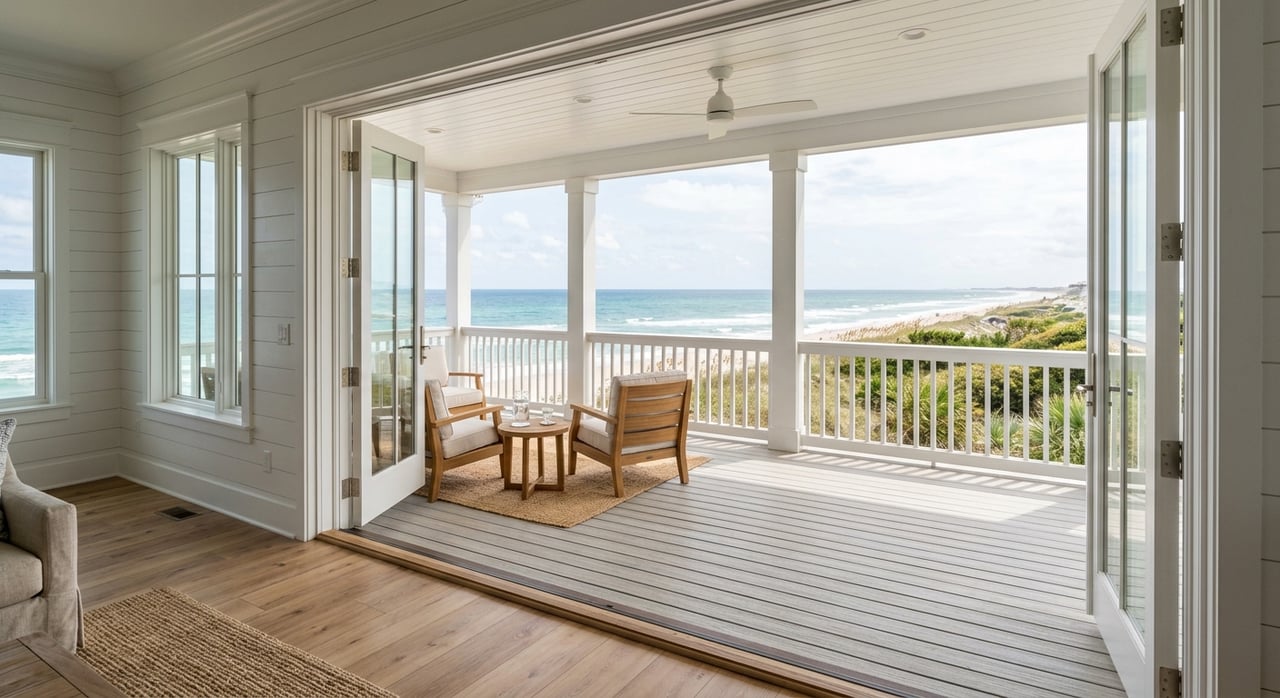
If you own or are thinking about buying a vacation rental in North Topsail Beach, timing can make a big difference in your results. This market is not just about setting one summer rate and hoping for the best. You need a plan that matches how guests actually book here, what they value in different seasons, and how coastal operating costs affect your bottom line. Let’s dive in.
Understand North Topsail Beach Demand
North Topsail Beach has a very specific vacation rhythm. Local information describes it as a laid-back beach destination with uncrowded shoreline, public beach access, and a mix of condos and larger rental homes. Tourism materials also point to a strong repeat-visitor pattern, with many families returning year after year.
That matters because this is not a fast-turn weekend market in the same way some urban short-term rental areas are. In busy summer periods, many guests still look for 7-night stays or long weekends. If you treat the property like a last-minute discount rental, you may miss the way this market really performs.
Town planning materials show just how seasonal demand can be. Early July is typically the peak point, and one planning snapshot estimated a summer peak-day population of about 28,844 people. That strong summer concentration should shape your pricing, calendar setup, and guest messaging.
Build a True Peak-Season Plan
Peak season in North Topsail Beach centers on June, July, and August, with July leading the pack. Current market data shows average monthly revenue in peak season around $10,155, average occupancy at 58.2%, and average daily rate near $514. July also posts the strongest RevPAR, which makes it the most important month to optimize.
Just as important, summer guests book early. July stays are booked about 92 days in advance on average, and summer bookings overall come in around 86 days ahead. That means your peak calendar should be open, priced, and fully marketed well before summer arrives.
What to do before peak season
- Open your calendar early for summer dates
- Finalize professional photos and listing details before spring
- Set stronger pricing for prime weeks in mid-June through mid-August
- Use clear minimum-night rules for core summer demand
- Highlight features that work for larger family and group stays
Town shoreline analysis supports this approach. It describes the more active rental period as running from mid-May through mid-September, with the highest rates in the mid-June to mid-August prime window. The weeks just before and after that stretch tend to perform differently, so they should not always be priced like full peak season.
Lean into larger-group demand
North Topsail Beach is heavily oriented toward larger vacation homes. About 62% of short-term rental inventory is made up of houses, and around 58% of listings offer 3 or more bedrooms. More than half of listings accommodate 8 or more guests.
For owners and buyers, that points to a clear pattern. Homes that work well for family groups, multiple couples, or multigenerational travel align closely with local demand. If you are evaluating an investment property, the local market currently favors space, flexibility, and group-friendly layouts.
Use a Different Strategy for Shoulder Season
Shoulder season in North Topsail Beach is softer than summer, but it still matters. Market data shows shoulder-season average monthly revenue around $4,432, occupancy near 33.3%, and average daily rate about $437. That is a step down from peak season, but it is far from irrelevant.
A practical way to think about shoulder season here is late spring and early fall, especially the weeks just before and after the summer core. This lines up with the town’s prime-season analysis and with current booking data. In other words, these periods deserve active strategy, not set-it-and-forget-it pricing.
How shoulder season should feel in your listing
Shoulder season should not be framed as a lesser beach trip. North Topsail Beach is promoted locally as quiet, family-friendly, and uncrowded, which gives you a better story to tell. The value is often the same coastal setting with fewer crowds and a calmer pace.
That message can resonate with repeat visitors, small family groups, and drive-to travelers from inland North Carolina. Current market data highlights Raleigh and Charlotte as key origin markets, so shoulder-season positioning should speak to easy getaways, comfort, and convenience.
Shoulder-season tactics that make sense
- Relax minimum-night requirements compared with core summer weeks
- Keep pricing competitive without undercutting the property’s value
- Emphasize Wifi, parking, heating, and easy access details
- Make booking simple for guests with shorter planning windows
- Focus on comfort and flexibility, not just discounts
This matters because booking behavior changes outside summer. Winter lead time averages about 31 days, compared with 86 days in summer. Even if your main focus is shoulder season rather than winter, the lesson is the same: softer seasons usually need quicker response times and more flexible booking strategy.
Match the Property to the Season
Not every North Topsail Beach property should be marketed the same way. Oceanfront and near-beach homes usually have the strongest peak-season pull because direct beach convenience is a major draw. These homes can often justify stronger summer pricing when the location and access are clear.
Sound-side or inland-adjacent homes may need a different story. In those cases, longer-stay comfort, views, quieter surroundings, boating access, and practical space can become more important. The best strategy is not trying to copy an oceanfront listing, but showing why your property fits the way guests want to stay in that specific area.
Amenities that support bookings
In North Topsail Beach, several amenities consistently matter. Current market data identifies TV, air conditioning, kitchen, Wifi, smoke alarm, free parking on premises, refrigerator, coffee maker, and heating as essential basics.
A few practical upgrades also appear to support stronger revenue. These include a dishwasher, dryer, and dining table. In higher-end homes, standout features such as pools, hot tubs, elevators, and pet-friendly positioning can help a property stand apart.
Improve Listing Presentation
Photos and clarity matter in this market. AirROI reports an average of about 44 photos per listing, which tells you guests expect a fairly complete visual tour before they book. If your listing has limited images or skips key spaces, you may create hesitation.
Clear location language also helps. Fewer than half of listings reveal exact location, so guests often rely on description quality, beach-access details, and parking information to decide whether a home fits their trip.
Details guests want to know
- How far the home is from beach access
- Whether parking is easy and on-site
- If the home works well for large groups
- Whether outdoor spaces are usable and comfortable
- If there are stairs, elevators, or other access considerations
In North Topsail Beach, beach logistics are especially important. The town has paid parking beach accesses, and the north-end driving area includes Beach Access #3, which requires four-wheel drive capability with parking limited to the access area. Onslow County also maintains three beach access areas with bathrooms and showers, which can be useful context for guests planning longer beach days.
Protect Your Net Income
Gross revenue is only part of the story. North Topsail Beach applies a 3% accommodation tax on gross rental receipts, and Onslow County applies a separate 3% occupancy tax. Those local taxes are in addition to state and local sales tax, so owners should think carefully about net income, not just top-line nightly rate.
This is especially important when comparing peak and shoulder pricing. A higher rate that creates too many empty nights may not always outperform a more balanced approach. In a coastal market like this, your pricing strategy works best when it accounts for seasonality, taxes, and real operating costs together.
Plan for Guest Safety and Coastal Rules
Good rental strategy also includes a strong guest experience after booking. The town states that North Topsail Beach does not currently have lifeguards, and it warns that rip currents can be life-threatening. A welcome packet should include simple beach-safety reminders and local rule information before guests arrive.
Sea turtle season is another real operating issue for owners. Nesting season runs from mid-May through August, and the town asks oceanfront properties to keep lights low or follow lights-out guidance from May through October. This can affect exterior lighting choices, guest instructions, and even how you present nighttime outdoor spaces.
Guests should also know that overnight beach camping is prohibited and that certain restrictions apply around beach equipment near turtle nests. These details may seem small, but they help guests enjoy the property while respecting local coastal protections.
What This Means for Buyers and Owners
If you are buying with rental performance in mind, North Topsail Beach rewards a focused strategy. Larger homes with group-friendly layouts, strong beach-access messaging, and practical amenities are closely aligned with current demand. Peak season should be planned early, while shoulder season should be managed actively rather than treated as an afterthought.
If you already own here, small changes can make a meaningful difference. Better calendar timing, tighter listing presentation, thoughtful minimum-night rules, and clearer guest communication can help you compete more effectively across both peak and shoulder periods.
When you want local insight on buying, selling, or evaluating a coastal investment property in North Topsail Beach, connect with Gwen Hydzik for practical guidance tailored to the Topsail market.
FAQs
What is peak rental season in North Topsail Beach?
- Peak rental season in North Topsail Beach is centered on June, July, and August, with July typically performing the strongest.
How far ahead do summer guests book in North Topsail Beach?
- Summer guests in North Topsail Beach book well in advance, with July stays averaging about 92 days of lead time and summer stays averaging about 86 days.
What counts as shoulder season in North Topsail Beach?
- A practical shoulder season in North Topsail Beach is late spring and early fall, especially the weeks just before and after the core mid-June to mid-August prime period.
Which property type fits North Topsail Beach rental demand best?
- Larger entire-home rentals, especially 3-plus-bedroom houses that can host bigger groups, align most closely with current North Topsail Beach demand patterns.
What amenities matter most for North Topsail Beach vacation rentals?
- Important amenities in North Topsail Beach include Wifi, air conditioning, a kitchen, free parking, heating, and practical features like a dishwasher, dryer, and dining table.
What local rules should North Topsail Beach rental guests know?
- Guests should know about beach safety, rip current risks, sea turtle lighting guidance, limits around equipment near turtle nests, and the prohibition on overnight beach camping.