Wondering whether a Surf City condo or a beach house is the smarter move? You are not alone. In this market, the right choice often comes down to how you want to use the property, how much upkeep you want to handle, and what kind of budget feels comfortable for you. This guide will help you compare the real trade-offs in Surf City so you can move forward with more clarity and less stress. Let’s dive in.
Surf City market basics
Surf City is a high-cost coastal market, so your first decision may start with price. Recent market data shows a three-month median sale price of about $535,000, while median listing prices have been reported closer to $795,000, with a sale-to-list ratio near 98%.
That matters because asking prices and closed-sale prices are not always the same thing. If you are comparing condos and detached homes, it helps to look at both current listings and what buyers have actually been paying.
Condo vs beach house pricing
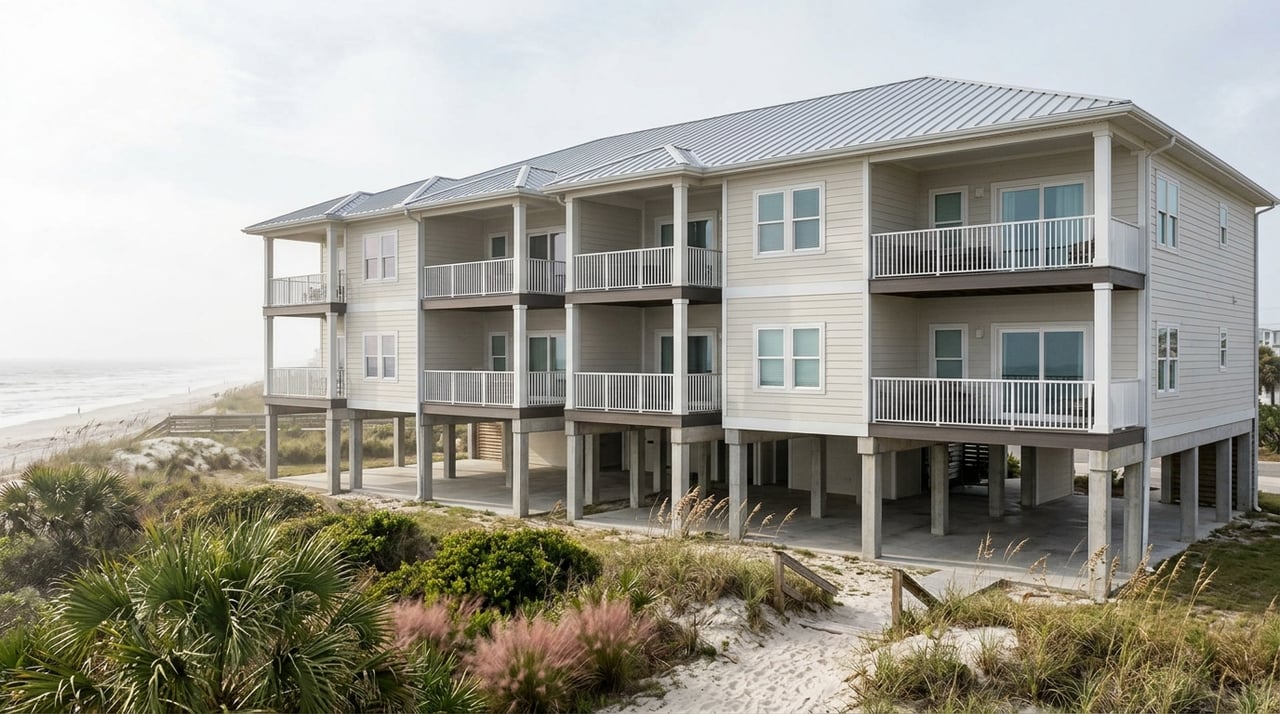
In Surf City, condos usually offer the lower entry point. Current active condo listings have ranged from about $257,500 to $455,000, and Redfin reported a condo median listing price around $377,000.
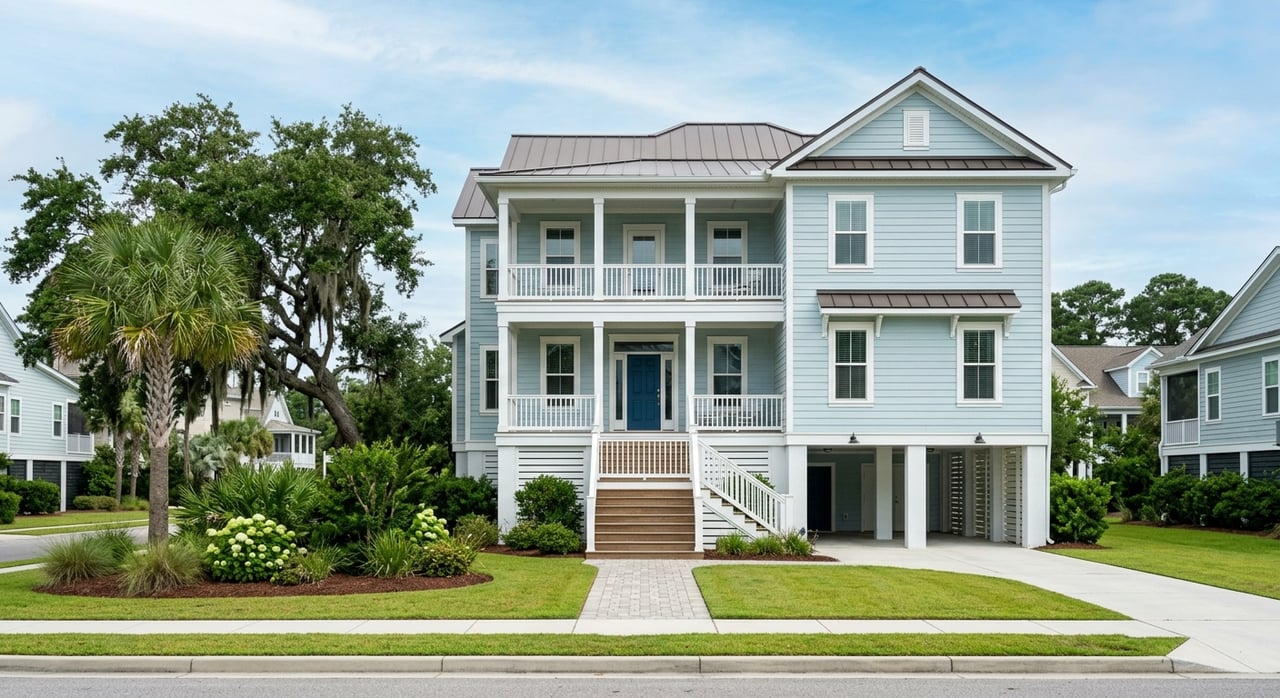
Detached beach houses usually start higher and can climb fast depending on location, size, and features. Current single-family examples begin around $389,900 and extend well above $1 million, including new construction at much higher price points.
If your top goal is getting into Surf City at a lower purchase price, a condo often gives you more options. If you want more room and more control over the property, a detached home may justify the higher cost.
Maintenance and ownership responsibilities
One of the biggest differences between a condo and a beach house is who handles what. Under North Carolina condo law, the association generally maintains, repairs, and replaces common elements, while you as the owner are usually responsible for the interior of your unit.
That often includes shared building systems and common areas being handled through the HOA. Decks, balconies, patios, and similar spaces that serve one unit are generally treated as limited common elements, which is another reason it is important to review the governing documents before you buy.
With a detached home in a planned community, the structure is usually different. Lot owners are generally responsible for maintaining and repairing their lot and improvements, while the association handles the common elements.
In plain terms, condos usually shift more exterior responsibility to the association, while detached homes usually give you more control and more hands-on responsibility.
HOA costs and what they may cover
In Surf City, condo dues can be a meaningful part of your monthly cost. Current condo listings show HOA dues around $327 per month, $498.62 per month, and $698 per month.
Those dues may cover more than many buyers expect. Some Surf City condo and townhome communities advertise shared amenities and services such as a clubhouse, elevator, fitness center, pool, beach access, on-site parking, exterior maintenance, pest control, management, and in some cases master and flood insurance.
Detached homes can also be in HOAs, but the fee structure is usually more variable. Current single-family examples show HOA fees as low as $63 per month and around $300 per month.
This is where the monthly math matters. A beach house may have a higher purchase price but lower HOA dues, while a condo may have a lower entry price but a larger monthly association bill. You will want to compare the full carrying cost, not just the list price.
Parking and storage in Surf City
Beach parking can be more important than buyers expect. If you plan to host guests, own multiple vehicles, or bring beach gear, bikes, or fishing equipment, parking and storage can quickly affect how convenient the property feels.
Condos often rely on shared or assigned parking. Current examples include on-site paved parking and parking under the building, which can work well, but may still feel more limited than a detached home setup.
Detached homes usually come out ahead here. Surf City single-family listings include examples with a three-car garage and covered parking for multiple vehicles.
If easy parking is a top priority, especially for a second home with frequent visitors, a beach house may give you more breathing room day to day.
Outdoor space and privacy
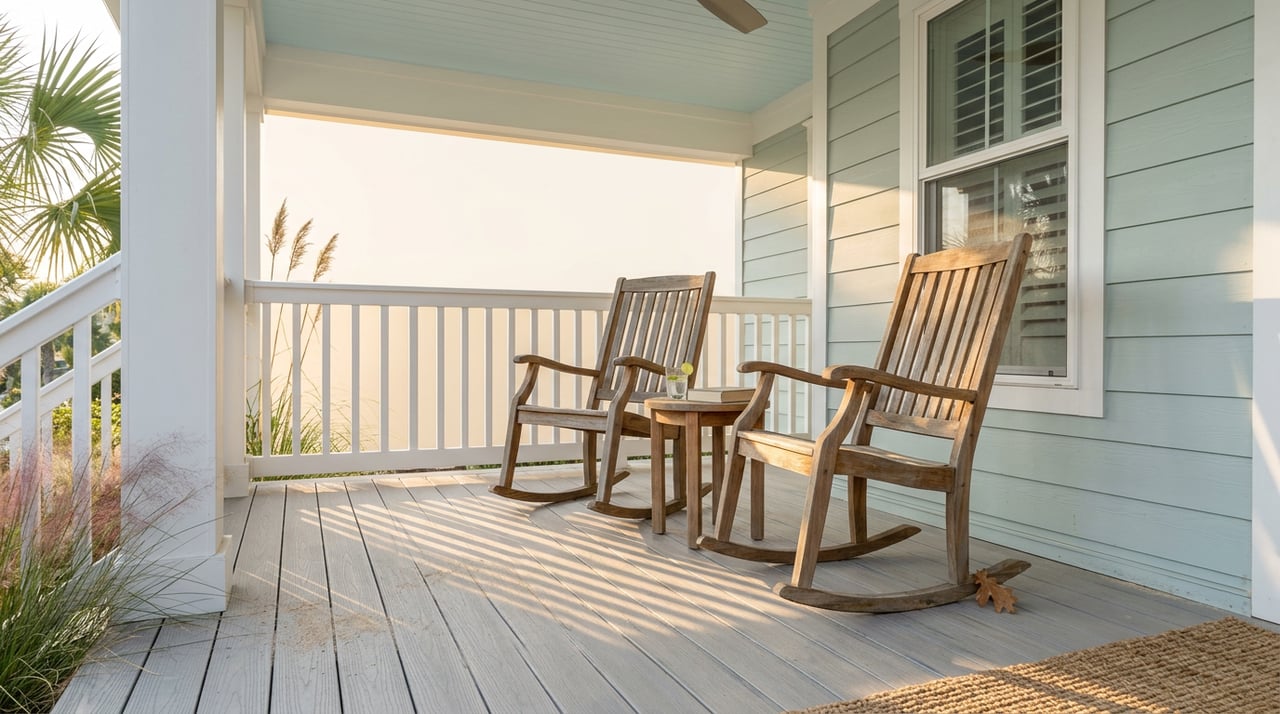
Your ideal outdoor setup can also point you toward one property type over the other. In a condo, your exterior space is often a deck, patio, or balcony rather than a private yard.
That setup works well for many buyers who want a simple coastal home base without worrying about yard work. It can also be enough if your goal is to enjoy the beach, the view, and a lower-maintenance lifestyle.
Detached homes usually offer a larger lot or yard that you control. Current Surf City examples include properties with oversized lots and fenced yards.
If you picture grilling outside, storing water toys, creating a more private outdoor area, or simply having more elbow room, a beach house often fits better.
Second-home use and lock-and-leave appeal
For many Surf City buyers, this is really a lifestyle decision. If you want a second home that is easy to leave between visits, a condo or HOA-managed property often makes that simpler.
That is especially true when the dues cover exterior maintenance, insurance, or other shared services. Many buyers like the convenience of arriving, enjoying the property, and leaving without a long maintenance checklist.
A detached beach house can still work well as a second home, especially if you want more space or privacy. But it may require more planning for upkeep, storm preparation, and ongoing exterior care.
If your goal is lock-and-leave simplicity, condos often have the edge.
Rental potential and local rules
Both condos and detached homes can work as vacation rentals or second homes in Surf City. The town’s zoning ordinance defines a short-term rental as lodging for vacation, leisure, or recreation purposes for less than 90 days, and short-term rentals are treated as an accommodations use category.
Local taxes are another part of the picture. Surf City Finance says the town charges a 3% accommodation tax, and Pender County notes an additional 3% tax for Surf City town limits, making the local total 6% within town limits.
That does not mean every property will fit your rental plan equally well. Before you count on rental income, you should verify the community rules, parking limits, insurance structure, and who handles exterior maintenance.
This step is especially important with condos and townhomes. Some communities bundle insurance, maintenance, private beach access, or management-related services into HOA dues, which can make ownership easier but may also come with stricter rules.
Questions to ask before you choose
If you are comparing a Surf City condo and a beach house, these questions can help narrow the decision:
- What is your comfortable purchase price range?
- Do you want lower entry cost or more space?
- How much monthly HOA cost are you comfortable carrying?
- Do you want the association to handle more exterior upkeep?
- How important are private parking, garage space, and storage?
- Do you want a private yard or is a balcony or deck enough?
- Will you use the property mainly as a primary home, second home, or rental?
- Have you reviewed the HOA declaration, bylaws, and rental rules?
A clear answer to these questions often makes the right option much easier to spot.
Which choice fits your goals?
A condo may be the better fit if you want a lower entry price, easier maintenance, and a more lock-and-leave setup. It can be a strong option for second-home buyers, some investors, and anyone who values convenience over square footage and yard space.
A detached beach house may be the better fit if you want more privacy, more parking, more storage, and more control over the property. It often appeals to buyers who want a fuller outdoor lifestyle or more flexibility in how the home functions over time.
In Surf City, there is no one-size-fits-all answer. The best choice is the one that matches how you plan to live, visit, rent, and budget for the property.
If you want help comparing real options in Surf City, pricing the monthly costs, and spotting the fine print that matters, Gwen Hydzik can help you sort through condos, beach houses, and investment-focused properties with practical local guidance.
FAQs
What usually costs less in Surf City: a condo or a beach house?
- Current active listings suggest condos usually have the lower entry price in Surf City.
What usually means less upkeep in Surf City: a condo or a detached home?
- A condo usually means less hands-on exterior upkeep because the association generally handles common elements, while detached homeowners usually handle more maintenance on the lot and structure.
What offers better parking in Surf City: a condo or a beach house?
- Detached beach houses usually offer better parking and storage, although some condos include on-site or under-building parking.
What offers more outdoor space in Surf City: a condo or a beach house?
- A detached beach house usually offers more outdoor space because you are more likely to have a full lot or yard instead of only a deck, patio, or balcony.
Can you use a Surf City condo or beach house as a short-term rental?
- Both may work for short-term rental use in Surf City, but you should confirm zoning, HOA rental rules, parking restrictions, taxes, insurance, and maintenance responsibilities before you buy.
What taxes apply to short-term rentals in Surf City town limits?
- Surf City Finance and Pender County information indicate a combined local accommodation tax of 6% within Surf City town limits.