Wondering whether a Surf City short-term rental could actually work on paper, not just in a listing description? That is the right question to ask before you buy. If you are looking at a condo, beach cottage, or larger coastal home in Surf City, a smart investment starts with the rules, carrying costs, and guest experience details that shape real performance. This checklist will help you pressure-test a property before you make an offer. Let’s dive in.
Start With Surf City Rules
The first screen is the local definition of a short-term rental. In Surf City, a short-term rental is lodging for less than 90 days, and the town’s zoning ordinance lists short-term rentals as a permitted use in its zoning table. That is a helpful starting point, but it does not mean every property is automatically ready for vacation-rental use. You can review the town’s zoning ordinance before moving forward.
You also need to confirm the full approval path for the specific property. Surf City’s community development guidance says no construction, occupancy change, or other regulated development should begin without the needed permit or development approval. The town’s building inspections guidance also says a building cannot be occupied until a certificate of occupancy is issued.
For coastal properties, those checks can get more detailed. Depending on the project, Surf City may require flood-zone information, stormwater review, coastal AEC setbacks, elevation certificates, and a 2-foot freeboard requirement above base flood elevation. The town outlines these items through its community development and permit resources.
Verify Which County Side Applies
In Surf City, parcel location matters more than many buyers expect. The town’s finance page explains that the property’s county side affects rental-tax handling, and it specifically notes that Surf City does not collect the Onslow County rental tax. If you are buying on the island or near a county line, confirm the parcel details early.
For properties on the Pender County side, occupancy tax applies to short-term rentals of private residences and cottages. According to Pender County occupancy tax guidance, the tax is due monthly by the 15th of the following month, with quarterly remittance allowed if the total due for the quarter is $25 or less. For underwriting, that means your tax workflow is not just a bookkeeping detail. It is part of your operating plan.
You should also include all taxable receipts in your revenue model. Surf City’s finance page says taxable gross receipts include charges like cleaning, pet, linen, reservation, and credit-card fees. If you leave those out, your net-income estimate may look better than reality.
Read Condo Documents Before Assuming STR Use
If you are buying a condo, the association documents can be just as important as local zoning. Under North Carolina condominium law, associations can adopt or amend bylaws and rules, hire managers, regulate common elements, levy fees, and fine owners for violations. The law also states that the declaration prevails over the bylaws if there is a conflict.
In plain English, a condo can look short-term-rental friendly until you read the actual documents. Rental minimums, owner-use restrictions, parking rules, pet policies, amenity access, and special assessments may all live inside the declaration or rules package, not the zoning code. Before you get serious, review the North Carolina Condominium Act framework and ask for the full HOA or condo packet.
Condo Checklist
- Confirm rental minimum stay requirements
- Check owner-occupancy or seasonal-use rules
- Verify guest parking limits
- Review pet restrictions
- Ask about amenity access for renters
- Look for pending special assessments
- Compare HOA dues against expected cash flow
- Confirm whether elevators, stairs, or access issues could affect bookings
Compare Condo vs. Single-Family Carefully
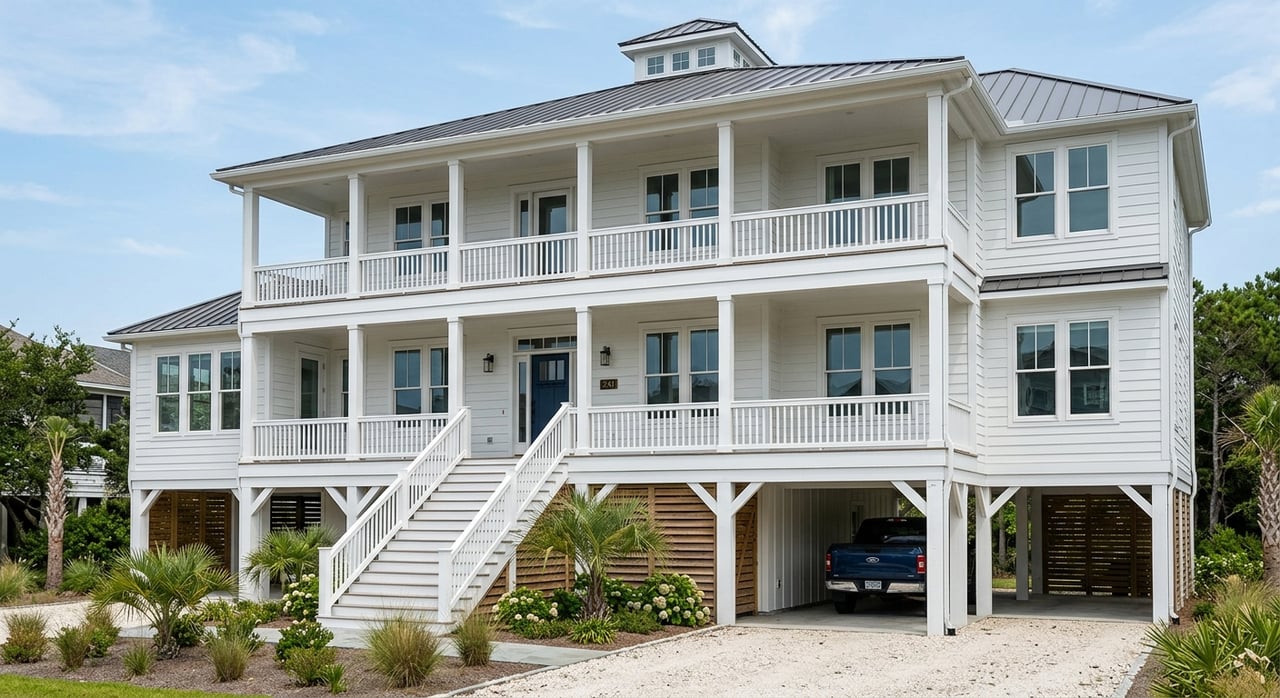
A condo and a single-family home can each make sense in Surf City, but the investment case is different. Condos may offer lower-maintenance ownership and shared amenities, while single-family homes often give you more control over parking, outdoor space, and the guest experience. The better fit depends on the property, your budget, and how hands-on you want to be.
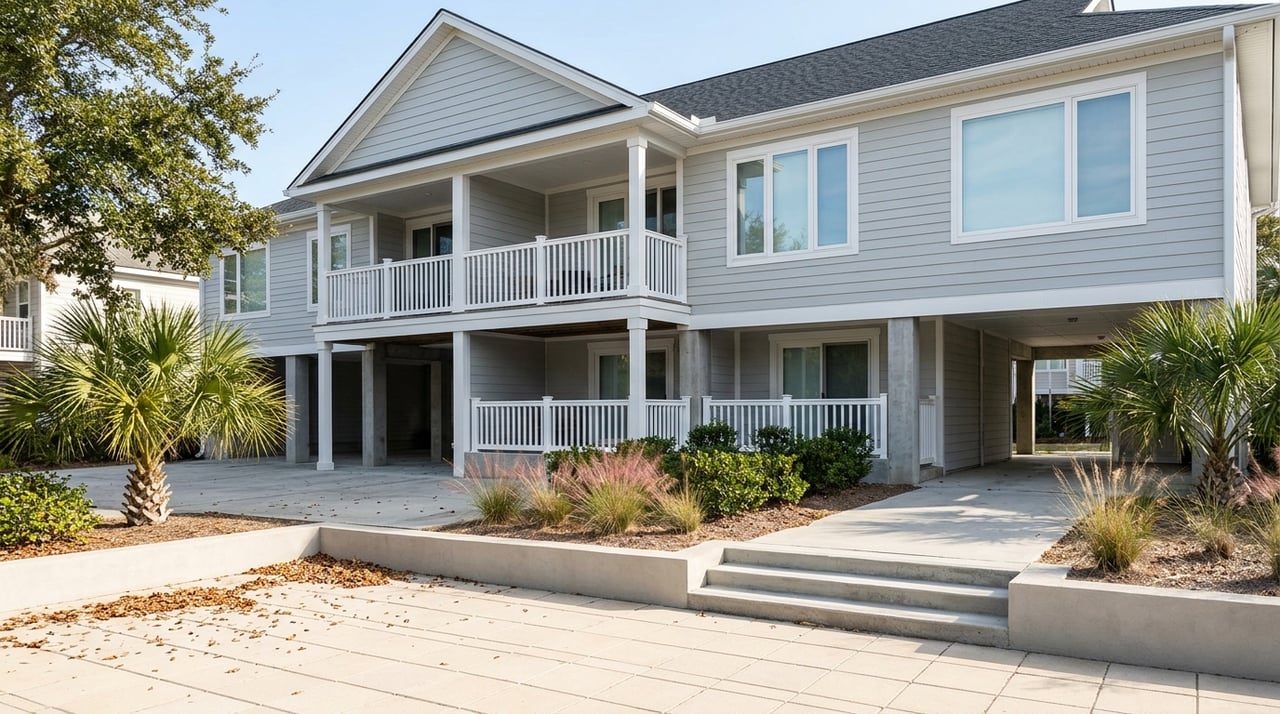
Single-family homes can offer more flexibility for outdoor features and sleeping capacity, but they also put more repair responsibility on you. In a coastal setting, flood exposure, storm-related wear, and maintenance costs can be meaningful. Surf City’s floodplain and freeboard requirements are a reminder that carrying costs deserve close attention, especially on island or near-water properties.
Here is a simple way to compare options:
| Factor | Condo | Single-Family Home |
|---|---|---|
| Maintenance | Often lower due to shared systems | Usually higher owner responsibility |
| Parking control | May be limited by HOA rules | Often more flexible |
| Outdoor space | Usually limited | Often better for porches, showers, storage |
| Fees | HOA dues and possible assessments | No HOA in some cases, but more direct upkeep |
| Rental rules | May be restricted by declaration | Usually more property-specific and zoning-based |
| Guest experience | Can be easy and efficient | Often more customizable |
Focus on Guest Demand Drivers
A good Surf City rental is not just legal. It also needs to match how people actually use the area. Surf City’s 2025-2026 strategic plan says the town is focusing on shoulder seasons to maximize visitors, while also using parking, traffic, utility, park, and short-term-rental data to better understand visitor activity and weather patterns. You can see that direction in the town’s strategic plan.
That matters because your best-performing property may not depend only on peak summer demand. A rental that works for beach weeks, shoulder-season getaways, and longer weekend stays can give you more flexibility across the calendar.
Parking is another big differentiator. Surf City’s visitor parking program says guests staying from March 1 through October 31 must pay to park in Surf City lots from 9:00 a.m. to 6:00 p.m., with hourly, daily, weekly, and season-pass options. That makes dedicated on-site parking and simple beach access especially attractive when guests compare listings.
Surf City Feature Checklist
- Dedicated on-site parking
- Walkable or easy beach access
- Flexible sleeping capacity
- Updated kitchen
- In-unit laundry
- Outdoor living space
- Low-friction self-check-in
- Easy storage for beach gear
Check Beach and Resilience Factors
Near-beach and oceanfront properties have another layer of due diligence. Surf City’s strategic and beach-management materials highlight beach access, dune and crossover maintenance, beach mats, sand fencing, and beach nourishment and resilience projects. Those factors can shape the guest experience as well as future maintenance planning.
If you are looking at oceanfront or second-row inventory, pay attention to access routes, elevation context, and any physical features that may affect convenience or upkeep. A property can have a strong address and still underperform if the practical beach experience feels harder than expected.
Build a Real Startup Budget
A vacation rental budget should go beyond the purchase price and expected rent. You need to account for setup costs, tax handling, wear-and-tear reserves, and any updates needed before the property is guest-ready. In coastal markets, replacement cycles can be faster because of salt air, moisture, and frequent turnover.
A useful planning benchmark comes from Bee Setups’ 2025 industry report, based on 3,487 STR projects. That report found an average furnishing cost of about $18,400 per property, a median of $15,900, studios around $10,000 to $12,000, and 4-plus-bedroom homes at $35,000 or more, with average setup time around 5.4 weeks. You can use the 2025 STR furnishing benchmark as a planning reference, not a promise of Surf City pricing.
Startup Budget Items
- Furniture and décor
- Mattresses and linens
- Kitchenware and small appliances
- Electronics and Wi-Fi setup
- Smart lock or keyless entry
- Outdoor furniture and shower gear
- Professional photography
- Startup consumables
- Reserve for repairs and refreshes
Plan Management Before You Buy
The best time to think about management is before you make an offer, not after closing. Your management model affects pricing, guest communication, turnover coordination, maintenance response, tax remittance, and reporting. Even a great property can become stressful if the management plan is weak.
North Carolina law also adds a contract requirement. The Vacation Rental Act requires a written vacation rental agreement for all vacation rentals subject to Chapter 42A. Whether you plan to self-manage, hire a local full-service company, or use a hybrid model, make sure the process includes a compliant guest agreement, deposit handling, and clear house rules.
Management Options to Compare
- Self-management: More control, but more hands-on time
- Full-service management: Less day-to-day work, but higher fees
- Hybrid management: Shared responsibilities, with cost and convenience somewhere in the middle
When comparing options, ask about:
- Fee structure
- Tax remittance support
- Cleaning and turnover process
- Maintenance response times
- Owner reporting
- Guest communication coverage
- Damage and deposit procedures
Watch Timing on Taxes and Ownership Records
If you are buying in Pender County, tax timing belongs on your checklist too. According to Pender County’s revaluation schedule, new values become effective on January 1, 2026, notices are expected in early 2026, and the first tax bills impacted by the reappraisal are expected in summer 2026. That gives investors a meaningful underwriting date to track.
Surf City’s finance guidance also notes that tax records reflect the owner as of January 1. Depending on when you close, billing timing and appeal windows may matter more than you expect. If you are comparing two properties late in the year, this is worth discussing during due diligence.
Use This Offer-Stage Checklist
Before you write an offer on a Surf City short-term rental, try to confirm these items in order:
- Verify zoning and confirm the property’s county side
- Read the HOA or condo declaration if the property is attached or in an association
- Confirm flood zone, permit path, and certificate-of-occupancy status
- Count dedicated parking spaces
- Build a rent-and-expense model that includes taxable fees
- Estimate setup costs and reserve needs
- Compare at least two management options
A Surf City investment can look great in photos and still miss the mark once you factor in rules, parking, taxes, or condo restrictions. A careful checklist helps you sort out which properties truly fit your goals and which ones only look promising at first glance.
If you want a second set of eyes on a Surf City condo, beach house, or investment property, Gwen Hydzik can help you evaluate the details that matter before you move forward.
FAQs
What qualifies as a short-term rental in Surf City, NC?
- In Surf City, a short-term rental is lodging for less than 90 days under the town’s zoning ordinance.
Do Surf City short-term rentals have occupancy tax in Pender County?
- Yes. Pender County applies occupancy tax to short-term rentals of private residences and cottages, with monthly filing generally due by the 15th of the following month.
Do condo rules affect short-term rental investing in Surf City?
- Yes. Condo declarations, bylaws, and rules may set rental minimums, parking rules, fees, pet restrictions, and other limits that affect whether a unit works as a vacation rental.
Why is parking important for Surf City vacation rentals?
- Surf City charges for visitor parking in town lots from March 1 through October 31 during daytime hours, so dedicated on-site parking can make a listing more convenient and competitive.
What should you budget for a Surf City short-term rental setup?
- You should budget for furnishings, linens, kitchenware, Wi-Fi, smart access, outdoor items, photography, startup supplies, and ongoing repair or refresh reserves.
Does North Carolina require a vacation rental agreement for short-term rentals?
- Yes. North Carolina’s Vacation Rental Act requires a written vacation rental agreement for vacation rentals subject to Chapter 42A.